

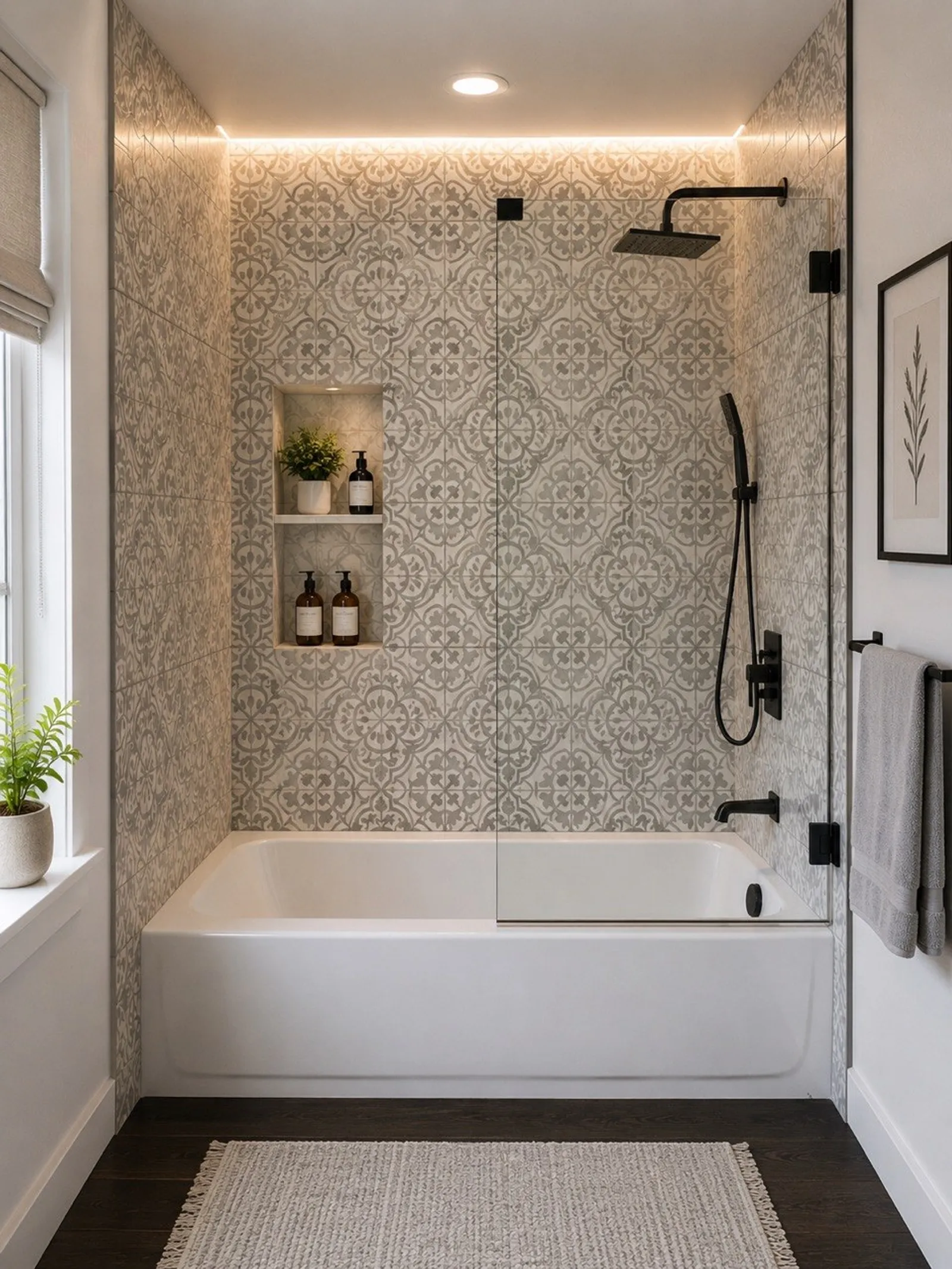
Shower and tub replacement in Bellevue
A new tiled shower or a new tub with a tiled surround on the same footprint, waterproofed and built by one licensed team.
Book Your Free Consultation
Free in-home visit. Written estimate after the visit.
Ready to replace the shower or the tub?
The wet area is where a bathroom ages first. Cracked grout, a fiberglass surround that has yellowed, a shower door that leaks onto the floor, a tub with a chip that keeps growing. The rest of the room can be fine and the bathroom still feels tired.
Rain City replaces showers and tubs on the layout you have. The old unit comes out, the wall behind it is checked and repaired, the area is waterproofed, and a new tiled shower or a new tub with a tiled surround goes in, with a new valve, a niche and glass.
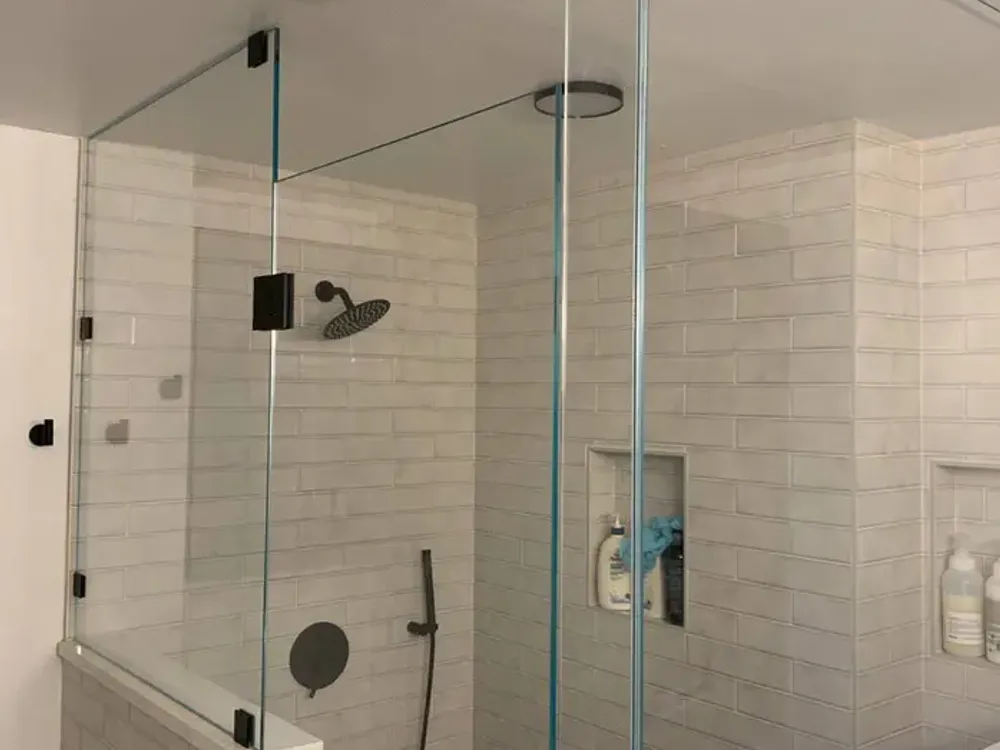
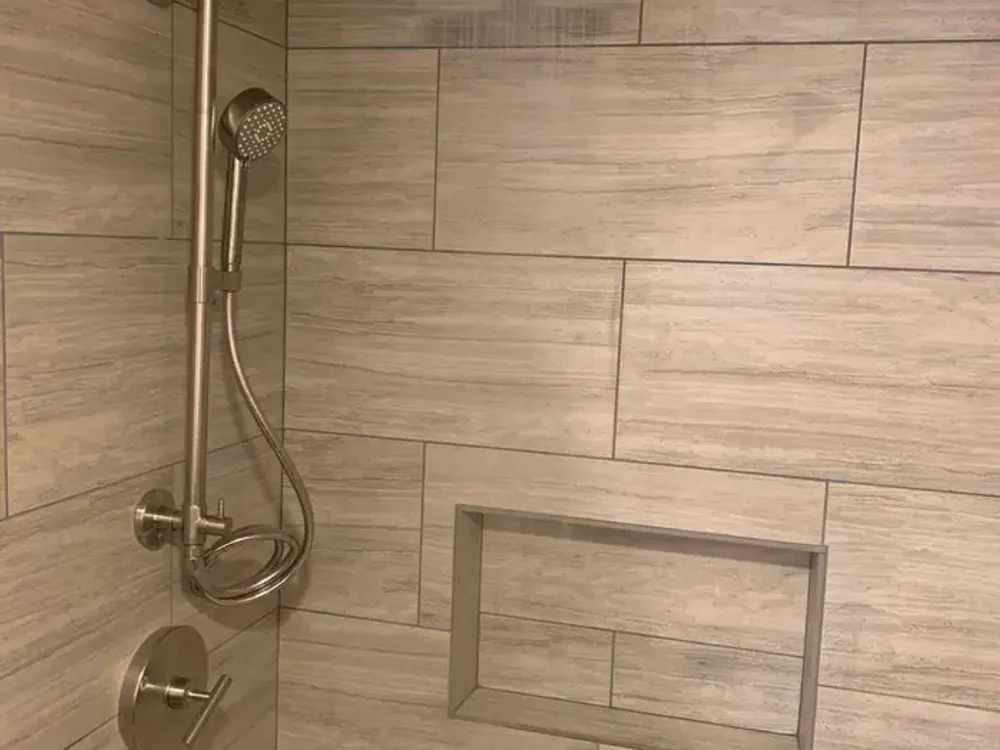
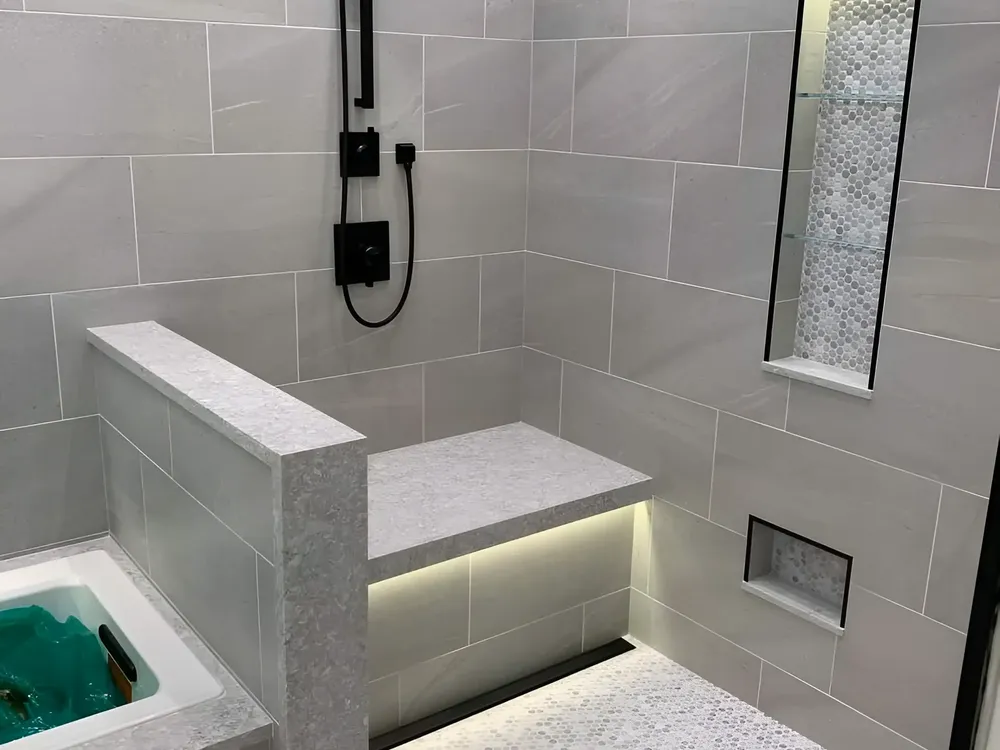
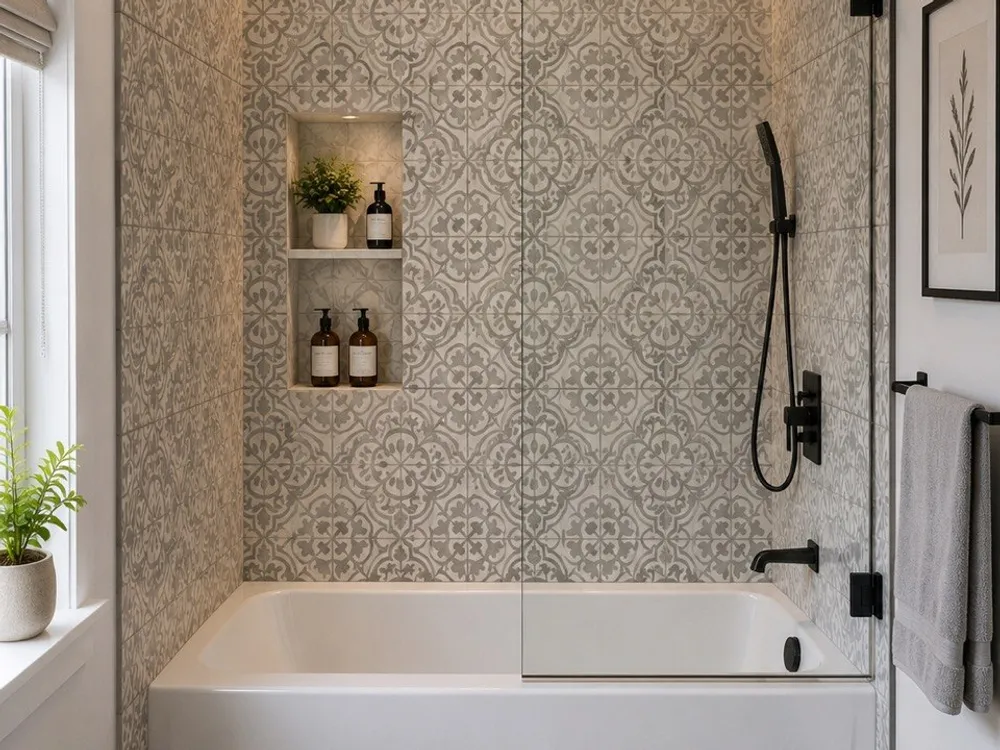
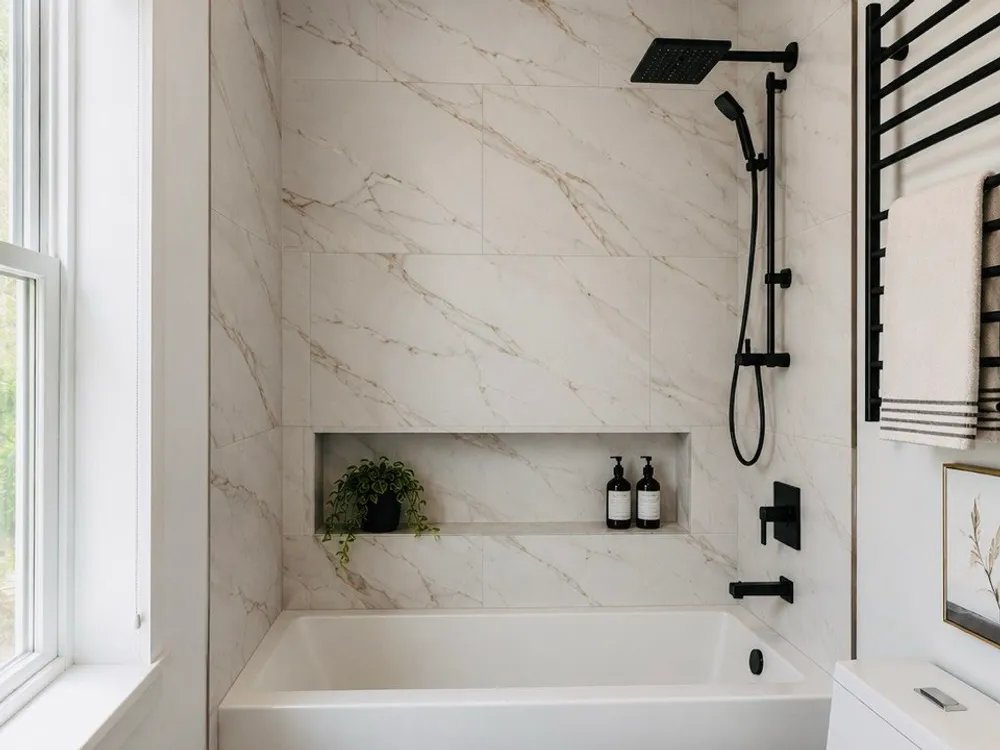
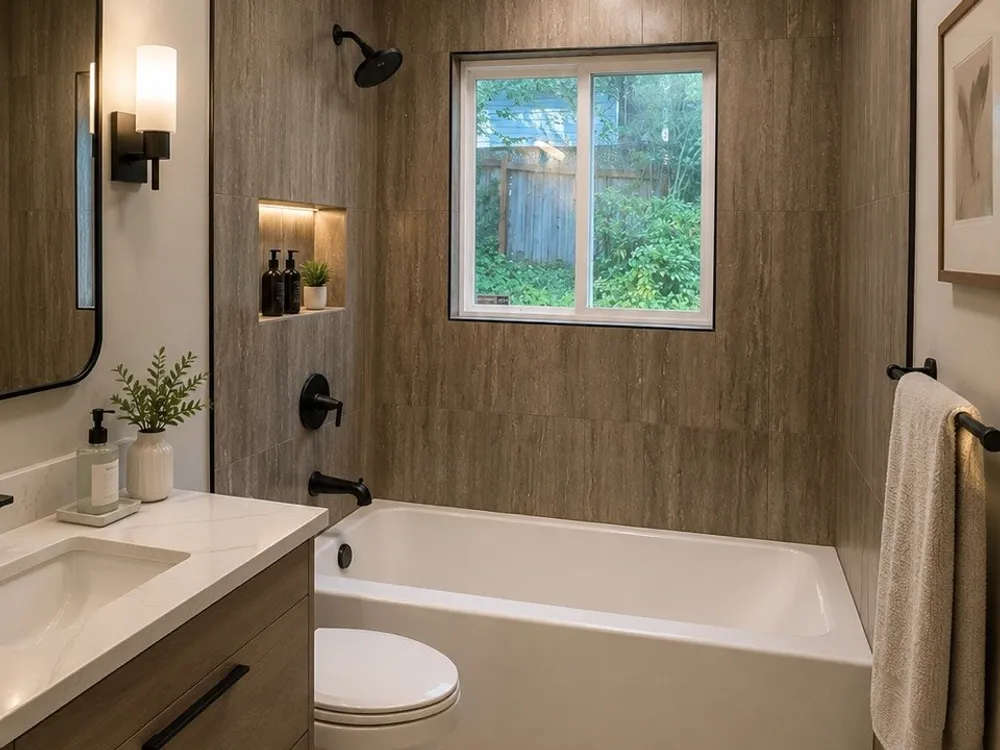
Showers and tubs we have replaced
All projects


What a shower or tub replacement includes
The wet area, from the studs to the glass.

01
Removal of the old shower or tub
The unit, the surround and the old tile out, the wall and subfloor behind them inspected.

02
Wall and subfloor repair
Water-damaged framing and backing replaced before the new waterproofing goes on.

03
Waterproofing
The shower pan or tub deck and the walls waterproofed before tile.

04
New tub
A new alcove or freestanding tub set level, with a new drain and overflow.

05
New tiled shower
A tiled pan or a low-curb base, a niche, a bench where there is room, and tile to the ceiling.

06
Valve, spout and shower head
A new pressure-balanced valve, spout, shower head or handheld, in one finish.

07
Glass
A frameless glass door or panel measured after the tile is set.
Included in every project
A free in-home consultation
We come to the house, look at the bathroom, take measurements and listen. The written estimate follows after the visit, not on the spot.
Samples in your own light
Cabinet doors, stone and tile samples come with us, so you compare them next to your floor and walls. The full set is at our office in downtown Bellevue.
One team from start to finish
Plumbing, electrical, tile and carpentry under one Washington license and one schedule, with one person to call.
Workmanship covered for a year
One year on our work after completion. Materials carry their manufacturers' warranties, and anything found behind the walls is priced separately.
Signs the wet area is done
The tile can look fine and the wall behind it can still be wet. These are the signs to act on.
-
Grout lines cracked or missing, especially where the wall meets the tub or the floor
-
A fiberglass surround that has yellowed, flexes or has a crack
-
Caulk that grows mildew back soon after being replaced
-
A shower door or curtain that leaks onto the floor
-
Tile that sounds hollow when tapped
-
A chip in the tub that keeps growing, or a drain that is always slow
Our Happy Customers Say
5.0 on Google from 140+ reviews

"Professional, reliable, and skilled. Alex completed our bathroom remodel on time and within budget. The quality of workmanship exceeded our expectations. We couldn't be happier with the results!"
Robert G.

"Alex did a phenomenal job on our kitchen remodel!! He works fast and is meticulous. He really cares about the quality of his work and the satisfaction of his clients. We are so pleased with how our cabinets turned out!"

Jessee Baldwin
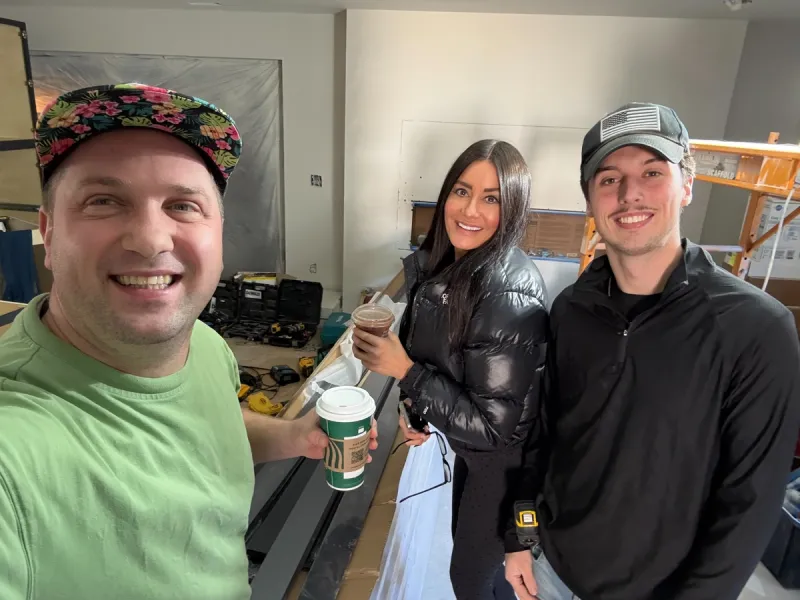
"Exceptional kitchen remodel and general contractor service !!! I rarely bother myself to leave feedbacks, but this guy deserves it. Highly professional and professionalism is in details- that's what this guy delivers . Alex is very positive personality, he is super punctual, intelligent and a very pleasant guy to work with . I wish him all the best in his business and without any hesitation I can recommend him to anyone who is looking high quality at a fair price."
Victor C.
Our Process

Book a Free Consultation
Tell us about your project and we'll set up a free, no-obligation consultation.

Measurements
Our team takes precise measurements of your walls and rooms to ensure accuracy.

Design and Visualization
We create a detailed project plan and a 3D visualization to help you envision the final result.

Approval and Execution
Once you approve the project, we handle the purchase and delivery of all materials and begin the work.
Ready to start? Book Your Free Consultation
Send the form or call (253) 466-8709. We come to your home with the samples, and a written estimate follows the visit.
Replacing a shower or tub in Bellevue: what to replace and what it costs
Most Bellevue bathrooms don't need to be gutted to feel new. The vanity works and the floor is fine, but the tub is chipped, the surround has yellowed and the caulk line along the tub never stays clean. A shower and tub replacement in Bellevue deals with exactly that zone: the old unit and its walls come out, hidden damage is repaired, and a new tub with a tiled surround or a new tiled shower goes in on the same footprint. It is a contained project with a clear start and finish. Here is how to decide what to replace, what usually hides behind the old walls, and what moves the price.
Refinish, repair or replace?
Refinishing and fresh caulk are cosmetic fixes. They make sense when the tub is solid, the surround is tight and no water has reached the wall behind it. A sprayed-on coating typically lasts for several years, after which it begins to peel near the drain opening and along the edges, while offering no protection to the underlying frame. An acrylic liner set over the old tub hides the surface too, but it adds a second shell where water can sit for years if its seal ever fails.
Replacing the bathtub is the more sensible choice if it flexes or creaks underfoot, if the old finish is starting to peel, if stains have appeared on the drywall behind the wall housing the plumbing, or if signs of a leak are visible on the ceiling of the floor below. All these signs indicate that the problem lies behind the finished surface - in an area that no protective coating can reach.
Tub only, walls only, or both?
A standard alcove tub has a flange on three sides that runs up behind the surround. That detail decides the scope. You cannot pull the tub without removing at least the lower part of the walls around it, so a bathtub replacement in Bellevue almost always comes with a new surround.
The reverse works. If the tub is sound, especially an older cast iron one, that weighs around 300 pounds and outlasts most acrylic models, it can stay in place while everything above it is rebuilt. Homeowners who call about replacing tub surround in Bellevue often expect a one-day panel swap. When the work is performed to a high standard, the wall is dismantled down to the framing studs, the bathtub is protected during the demolition process, and a new wall is constructed with waterproofing that overlaps the bathtub rim rather than simply extending down to it.
What is behind the old surround?
This is where the real condition of the bathroom shows up. In many Eastside homes built between the 1970s and the 1990s, the original surround sits on moisture-resistant drywall, the green board that is no longer accepted as a tile backer in a tub or shower. Decades of small leaks at the faucet and the corners leave soft gypsum, dark studs and sometimes mold in the insulation.
Replacing tub surround wall in Bellevue homes the right way follows a fixed order. First the wall is opened to the studs, and any wet framing and insulation are replaced. Then cement board or foam board goes up as the backer, and a protective layer is added over the corners and joints to keep moisture out. Next the niche is framed between studs, with blocking for grab bars or a glass panel, and only after that come tile, grout and sealing.
Replace the valve while the wall is open. It is located behind the tilework, if the old valve were to start leaking in three years, you would have to tear into the finished wall to replace it. Furthermore, a new pressure-balancing valve maintains a stable water temperature, even if someone elsewhere in the house flushes the toilet.
Replacing a shower stall on the same footprint
A one-piece fiberglass shower was set before the drywall went up, so it usually comes out in pieces. Its replacement is a tiled shower on the same drain, built to the room rather than to a catalog size. That often gains a few inches, room for a niche and tile that does not yellow or flex. The base becomes a sloped, waterproofed pan, and the valve can be set at a height that suits the people who actually use it.
Choosing the new tub
Most alcoves are 60 inches long, and the choice of tub is mostly about material:
- Acrylic is light, warm to the touch, easy to carry up a stairway and the most common choice.
- Enameled steel costs less, but it is colder and noisier.
- Cast iron is the most durable material and retains heat the longest, however, it is heavy and requires a floor capable of supporting such weight.
A deeper soaking tub can fit the same alcove if the valve and spout heights are adjusted. A freestanding tub is a bigger change, it needs a different filler, a drain in a new spot and finished walls where the alcove was, so it is closer to a layout change than a swap. If you are thinking of taking the tub out altogether, a tub-to-shower conversion is a separate project with its own page at raincityllc.com.
What moves the price?
Online averages usually quote the tub alone. The real bathtub replacement cost in Bellevue depends on everything around it:
- the condition of the wall and subfloor once they are open
- how high the tile goes: to the shower head or to the ceiling
- tile size and pattern, since a mosaic or a herringbone takes far more labor than large porcelain
- the tub material and the trim level of the valve, spout and shower head
- a niche, a bench ledge, and glass versus a curtain rod
- a permit, needed if the drain or the supply lines move
Two bathrooms with the same tub can land far apart because one wall was dry and the other had rot along the bottom plate. That is precisely why an on-site inspection is necessary for an accurate cost estimate, furthermore, any damage discovered during demolition work should be shown to you and assessed before being remedied, rather than simply being added to the final bill after the fact. Additionally, having a written estimate allows you to compare contractors' proposals item by item.
How the work runs
Decisions come first. The tub, tile, valve trim and niche location are chosen and ordered before demolition. The work proceeds in a precise sequence: demolition and repairs, plumbing, base installation and waterproofing, tiling, fixture installation, and finally, the installation of glass elements (measurements for these are taken after tiling to ensure a perfect fit for the actual opening). You must allow time for the waterproofing to dry and the tile adhesive to set, so plan on the bathroom being out of commission for several weeks. If this is your only bathroom with a bathtub or shower, consider this factor well in advance of starting the renovation.
Before you call: the questions we hear most
Will a new tub fit the old alcove?
Usually. Most alcoves take a 60-inch tub, 30 or 32 inches front to back. Some older homes have a 54-inch alcove, which narrows the choice, so the opening is measured stud to stud before anything is ordered.
Can I stay in the house during the work?
Yes, most homeowners stay. We keep the work area clean and contained so the rest of the house stays usable, and we tell you in advance on which days the bathroom is out of use.
What happens if you find a problem behind the wall?
It happens in older homes: old wiring, water damage, plumbing that has to be brought up to code. That is separate work, priced separately from your original estimate, and we show it to you before it is done.
Does the bathroom floor have to be redone too?
Not always. The floor tile usually stops at the tub apron, and a new tub can sit slightly differently than the old one.